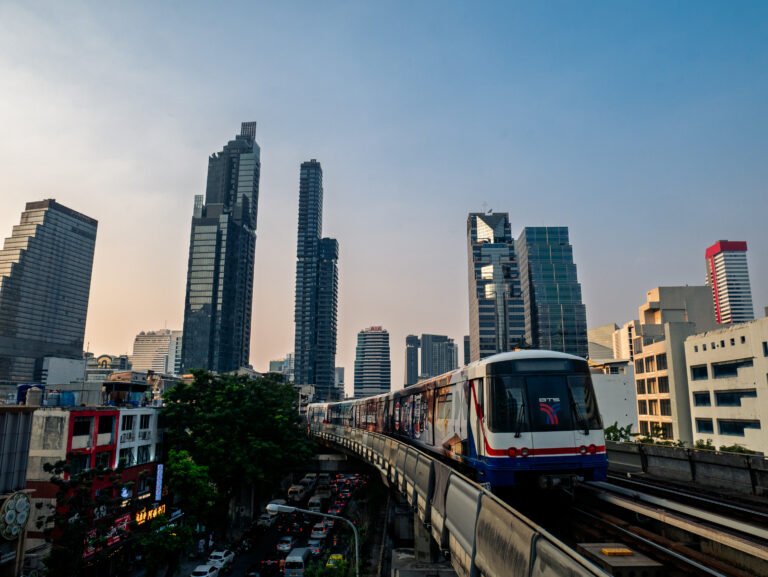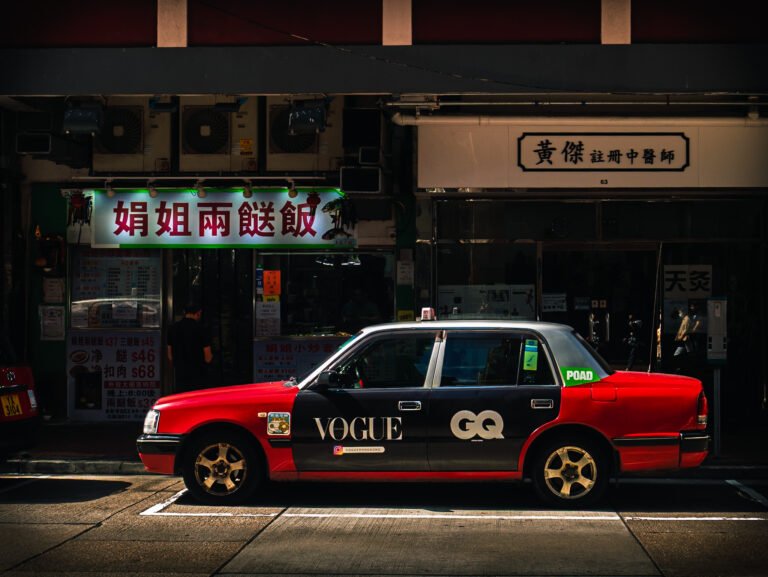
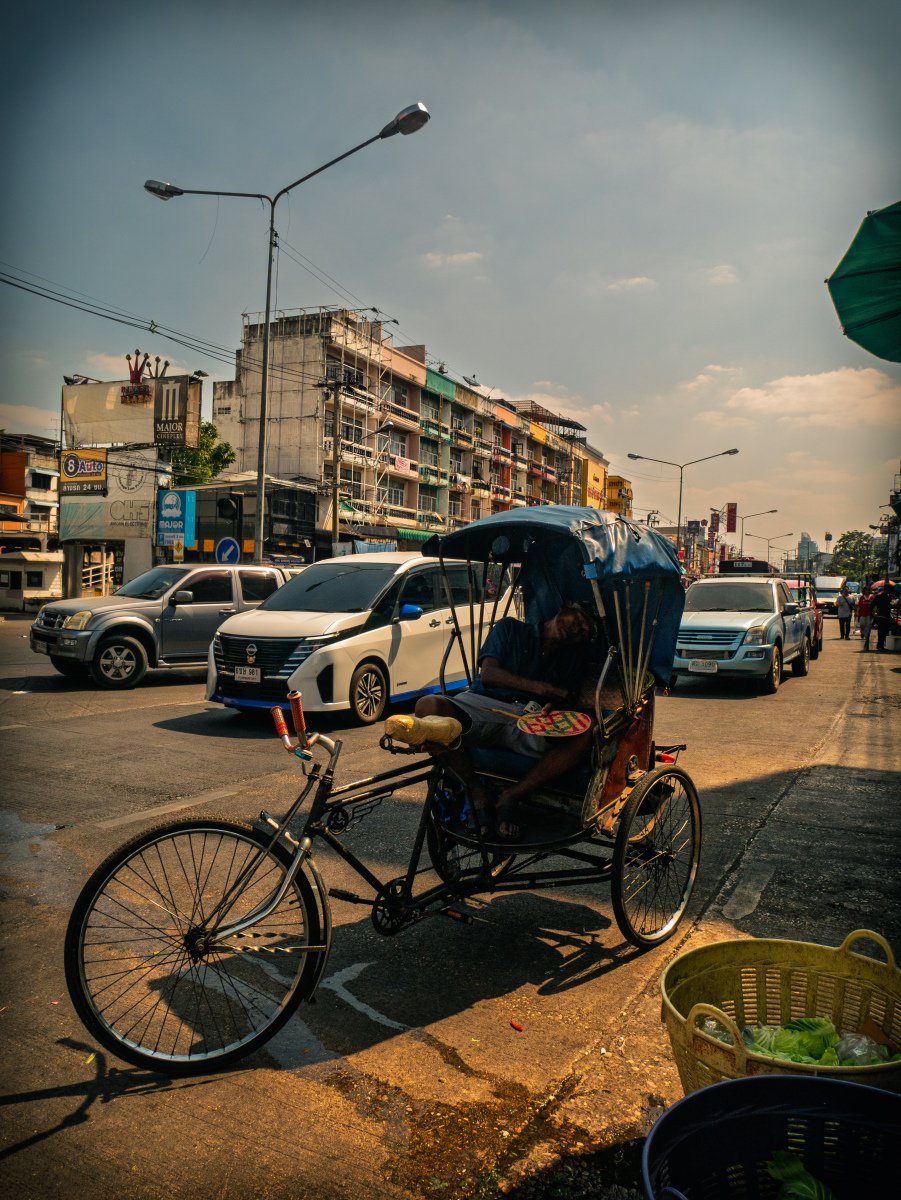
Walking alone through Bangkok is something I’ve always enjoyed — especially with a camera and no fixed direction, just following whatever the city decides to show.
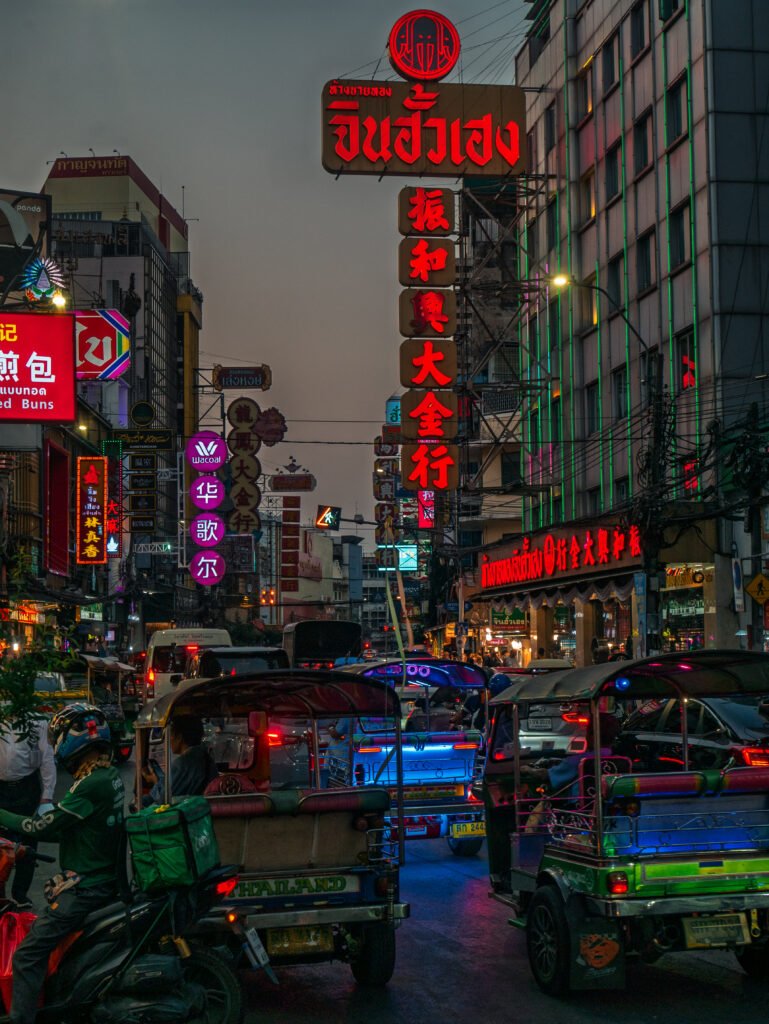
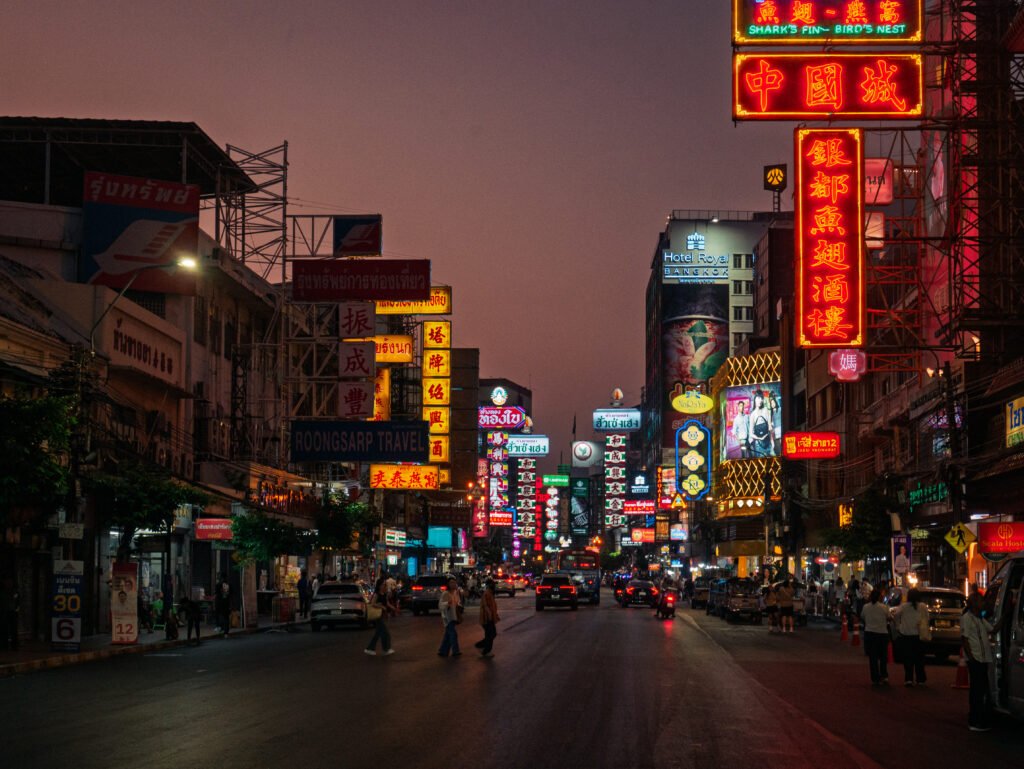
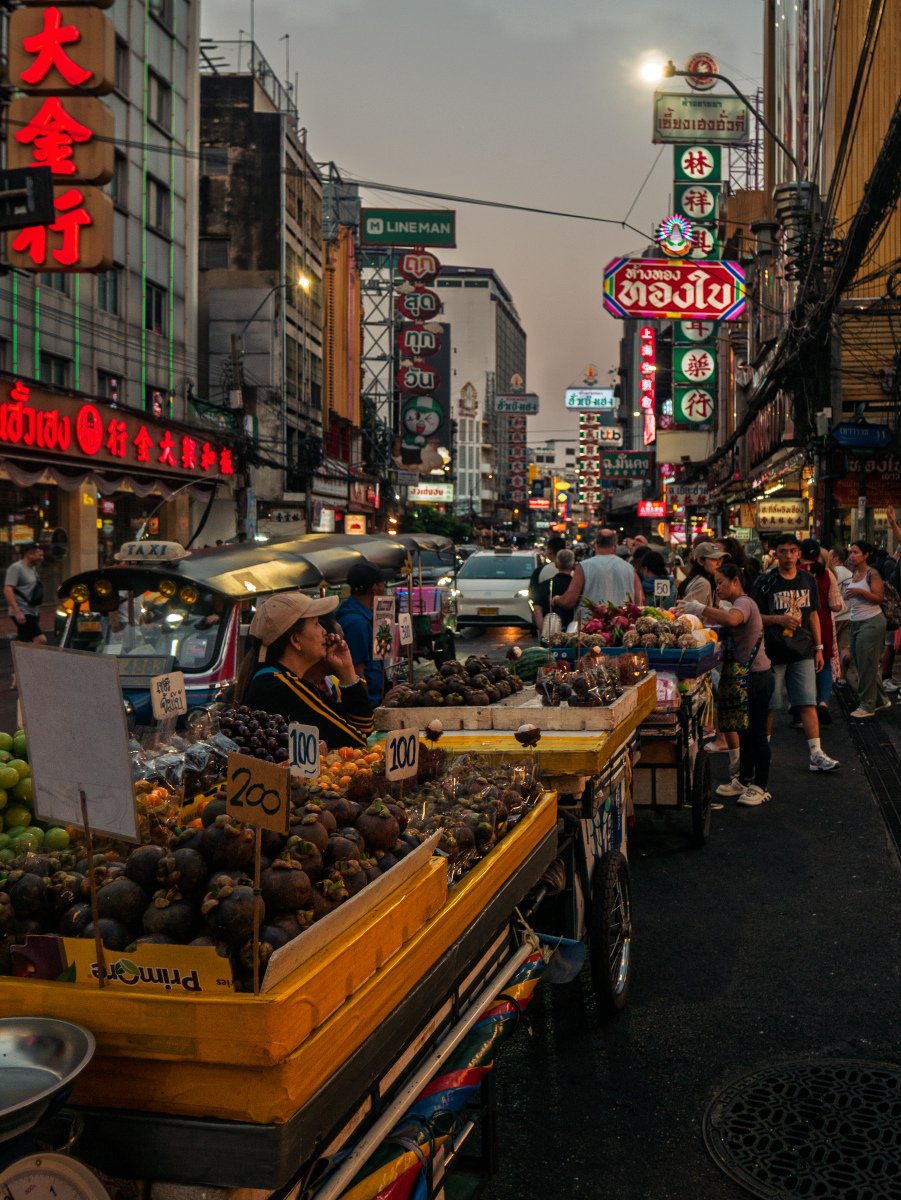
Chinatown at night had always been one of those places I wanted to experience as a photographer. I expected noise, chaos, and something slightly overwhelming. And it was all of that — but somehow less intense than I remembered.
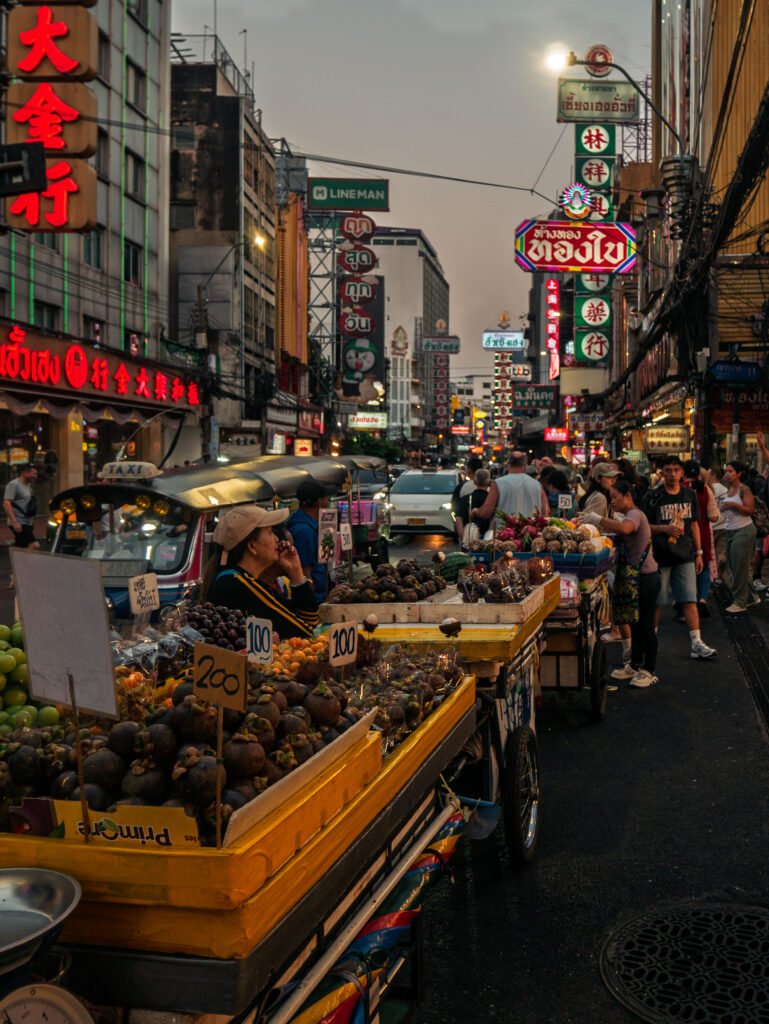
Instead of getting lost in the movement, I found myself slowing down, watching how the streets gradually changed as the light disappeared and the neon started to take over.
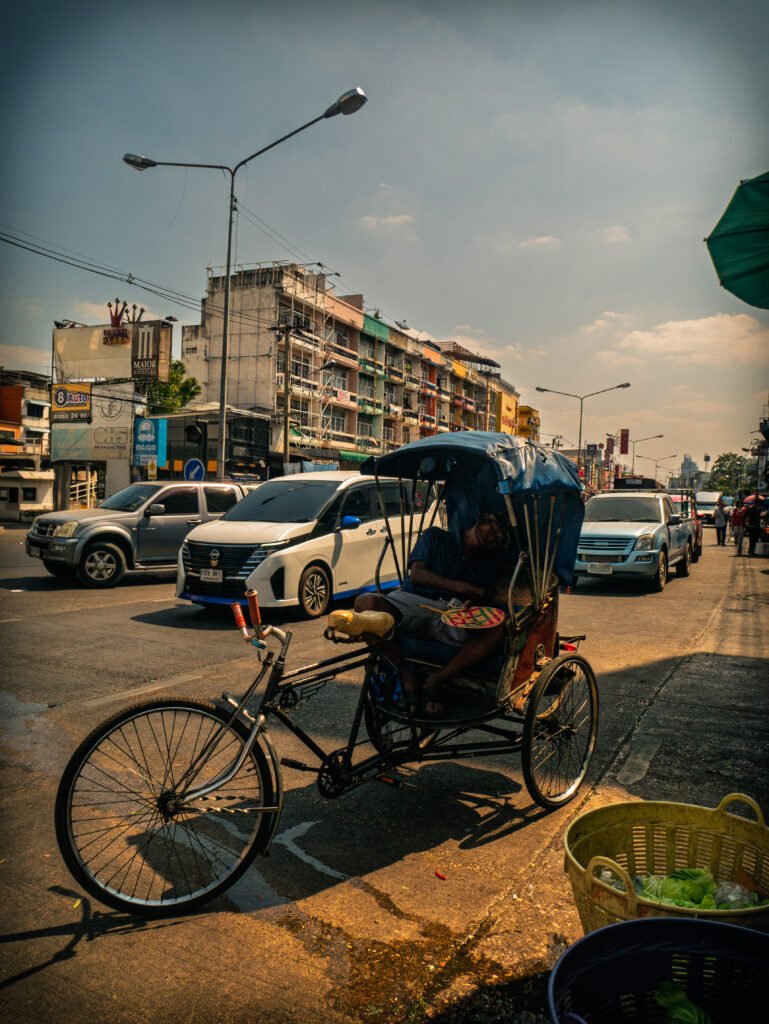
What draws me to places like this is the structure hidden inside the chaos. The light, the layers, the rough surfaces — nothing feels polished or staged. Instead, everything seems to exist exactly as it is, constantly shifting but somehow still connected.
That’s what I keep looking for when I walk through Bangkok with a camera. Not perfect scenes, but moments where the city reveals its texture.
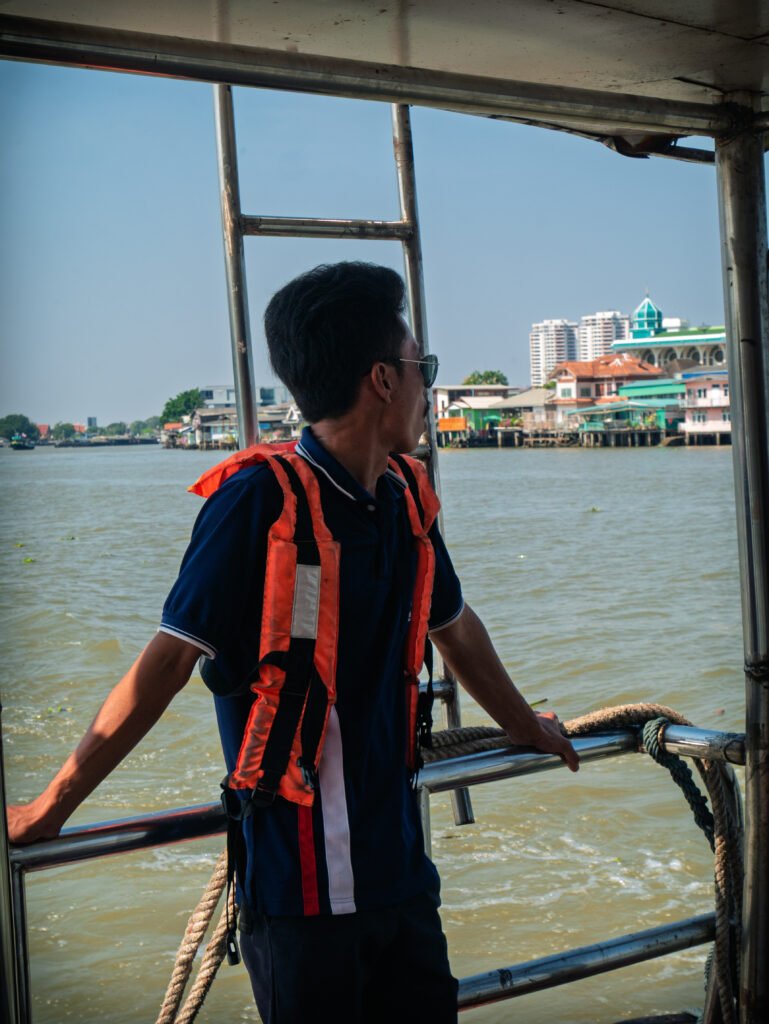
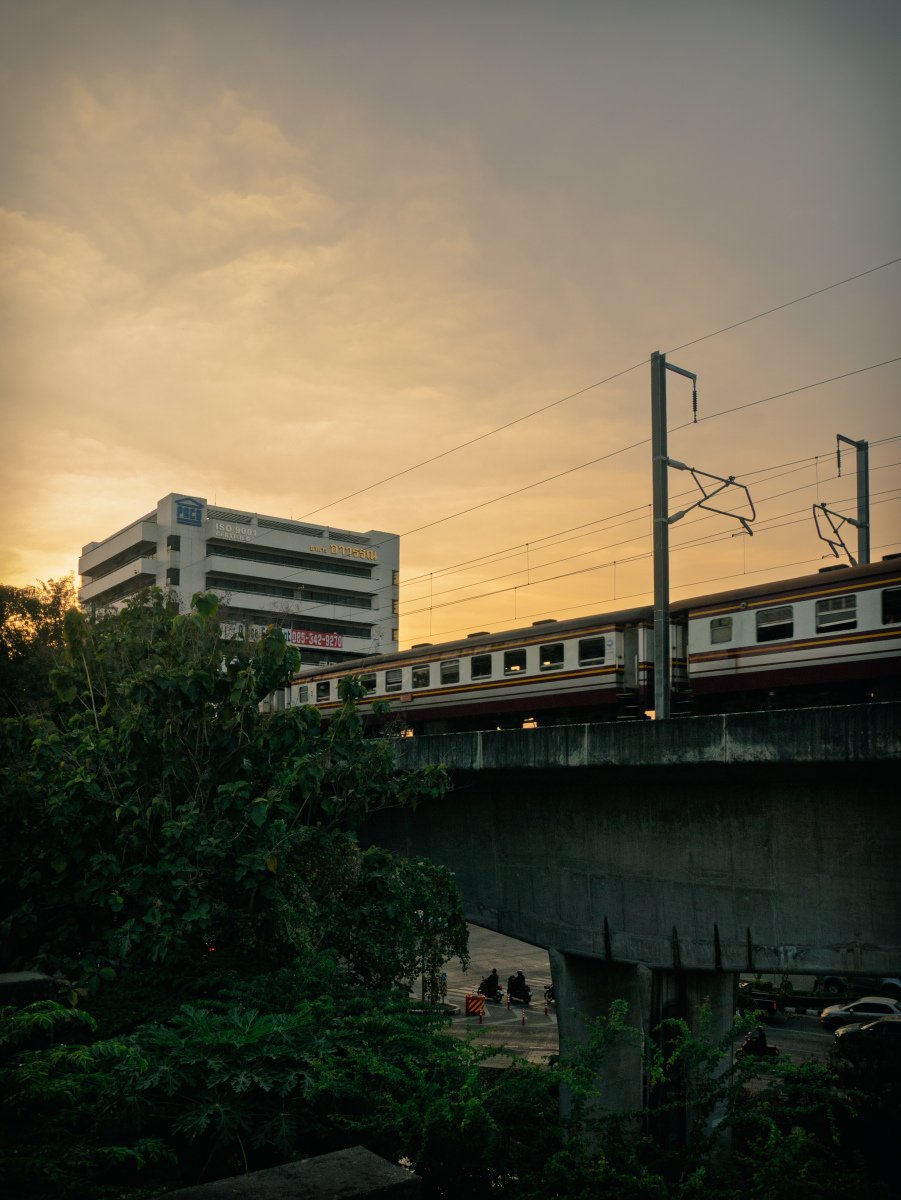
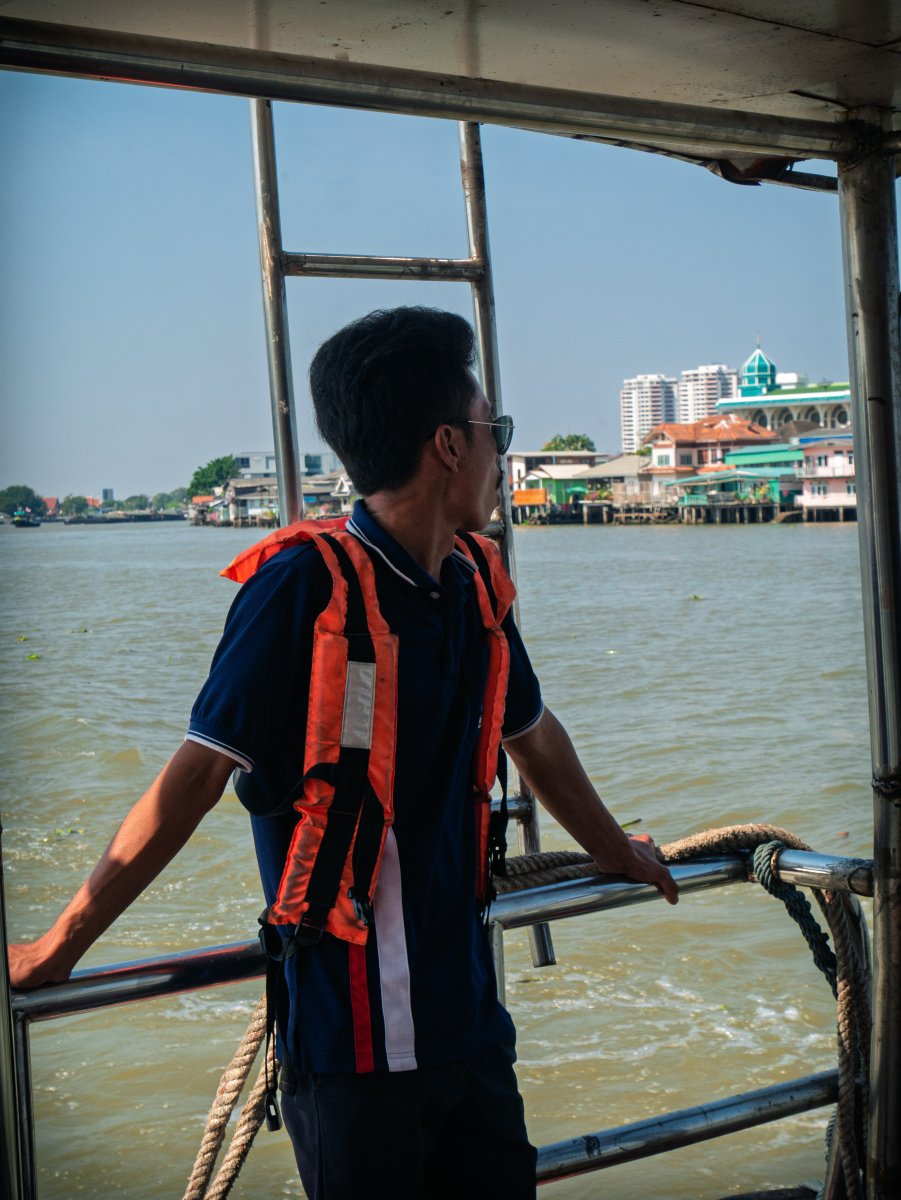
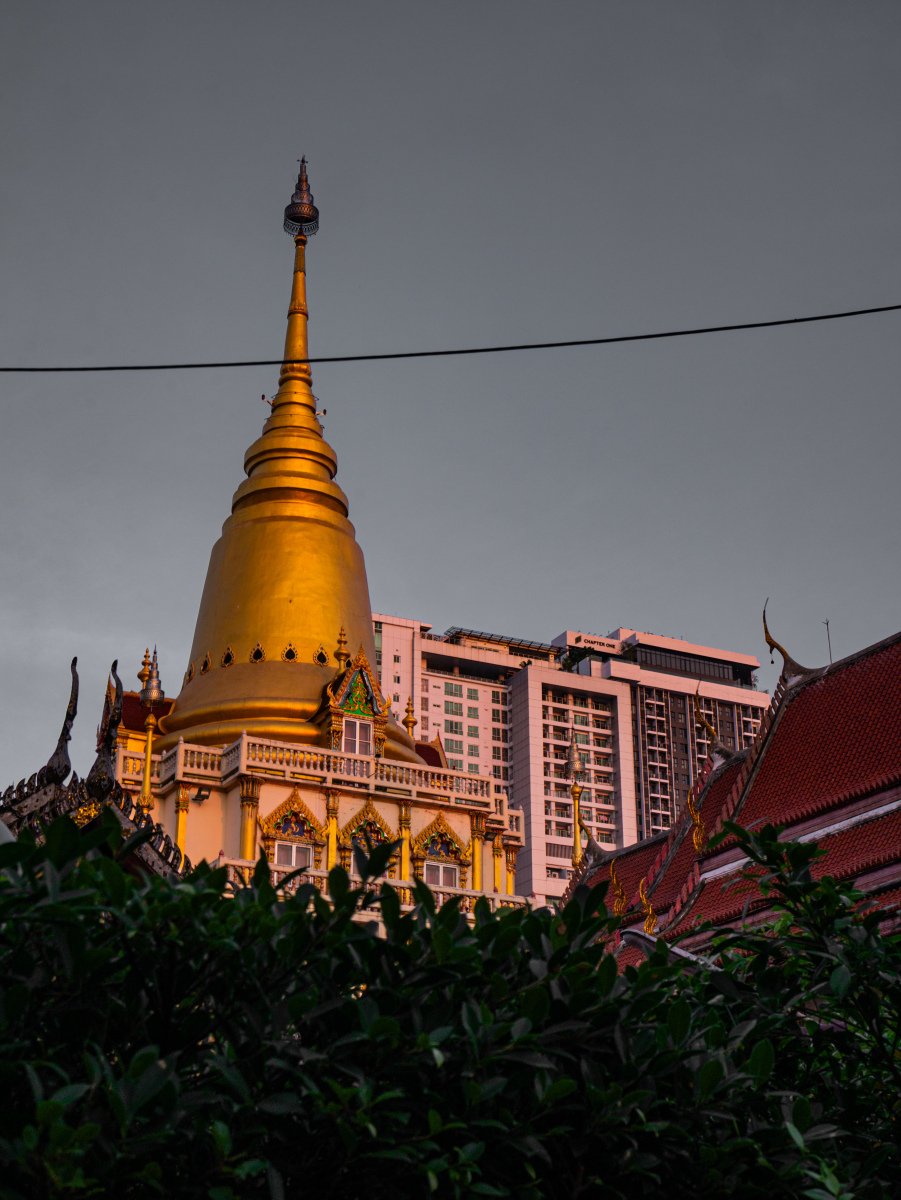
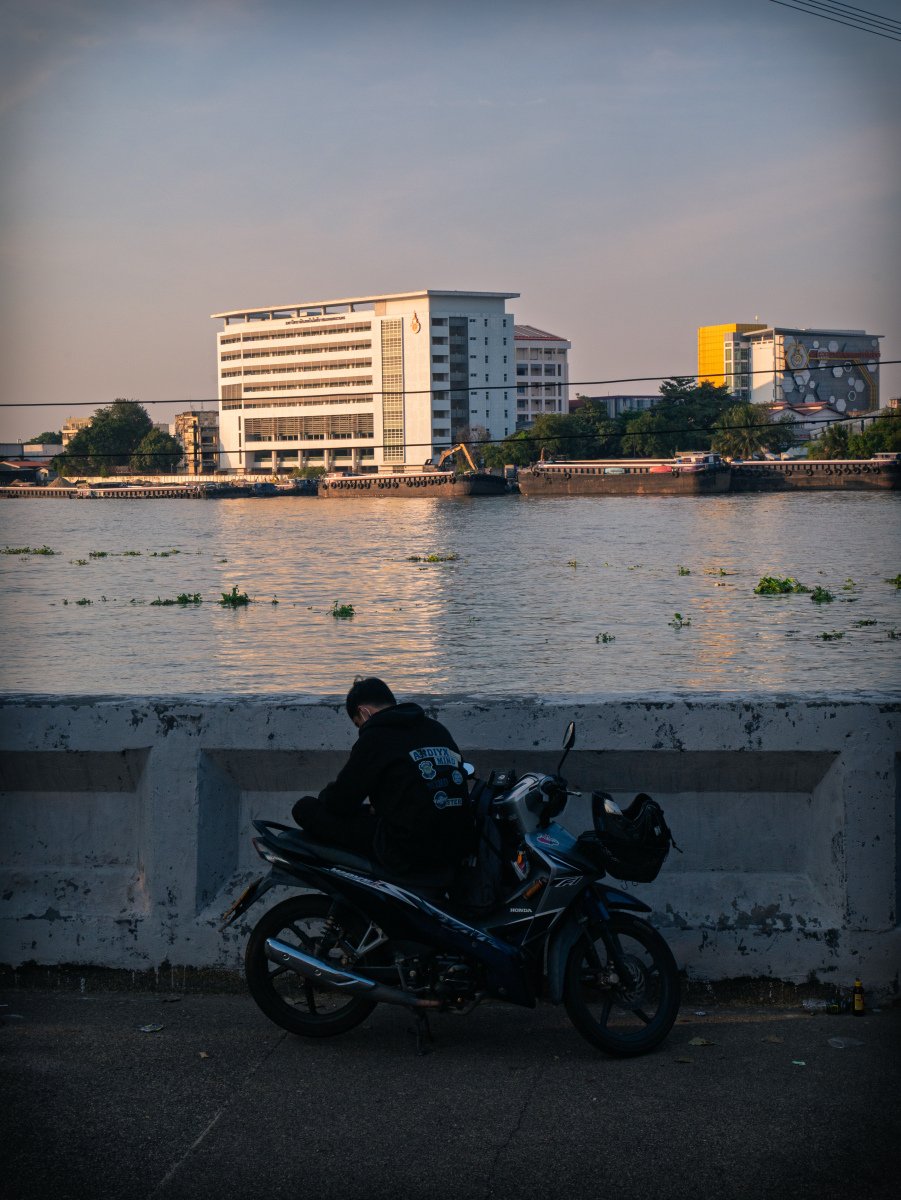
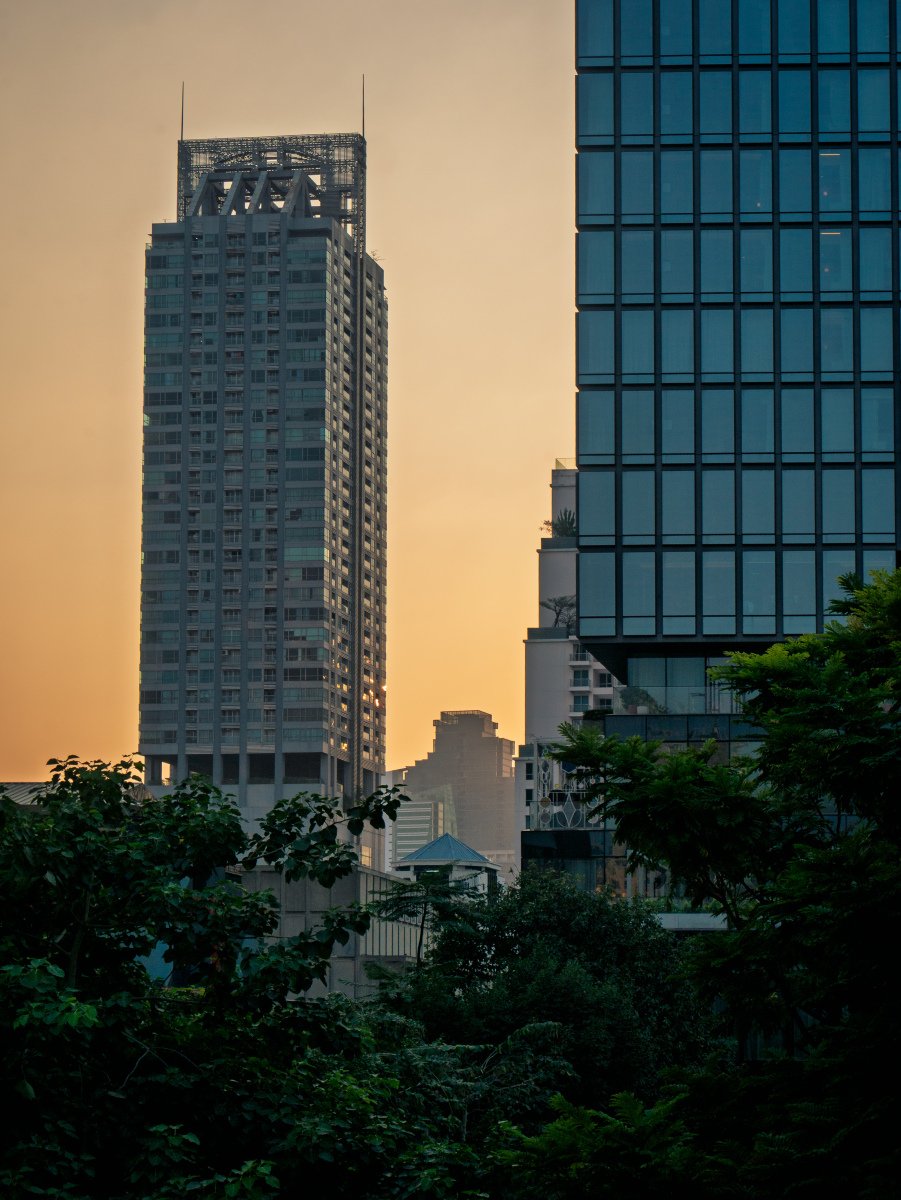
On the way there — and later again leaving the area — I kept noticing how quickly the atmosphere changed from one street to the next. Bangkok rarely feels like a single place at night. It shifts constantly, even within a short walk.
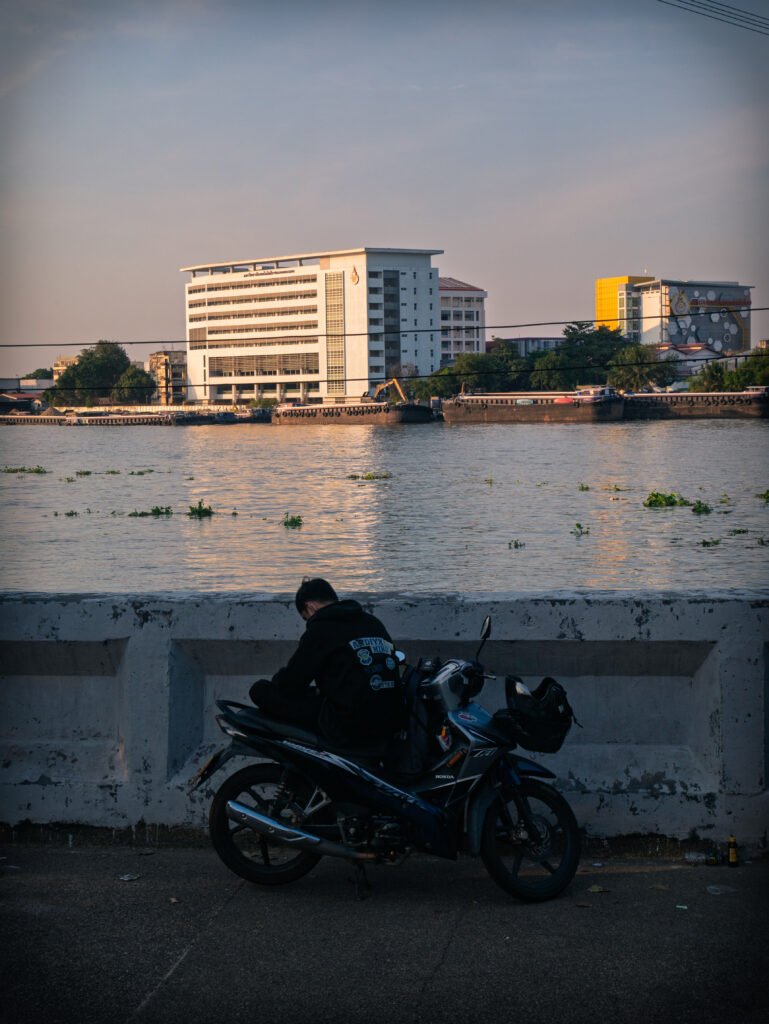
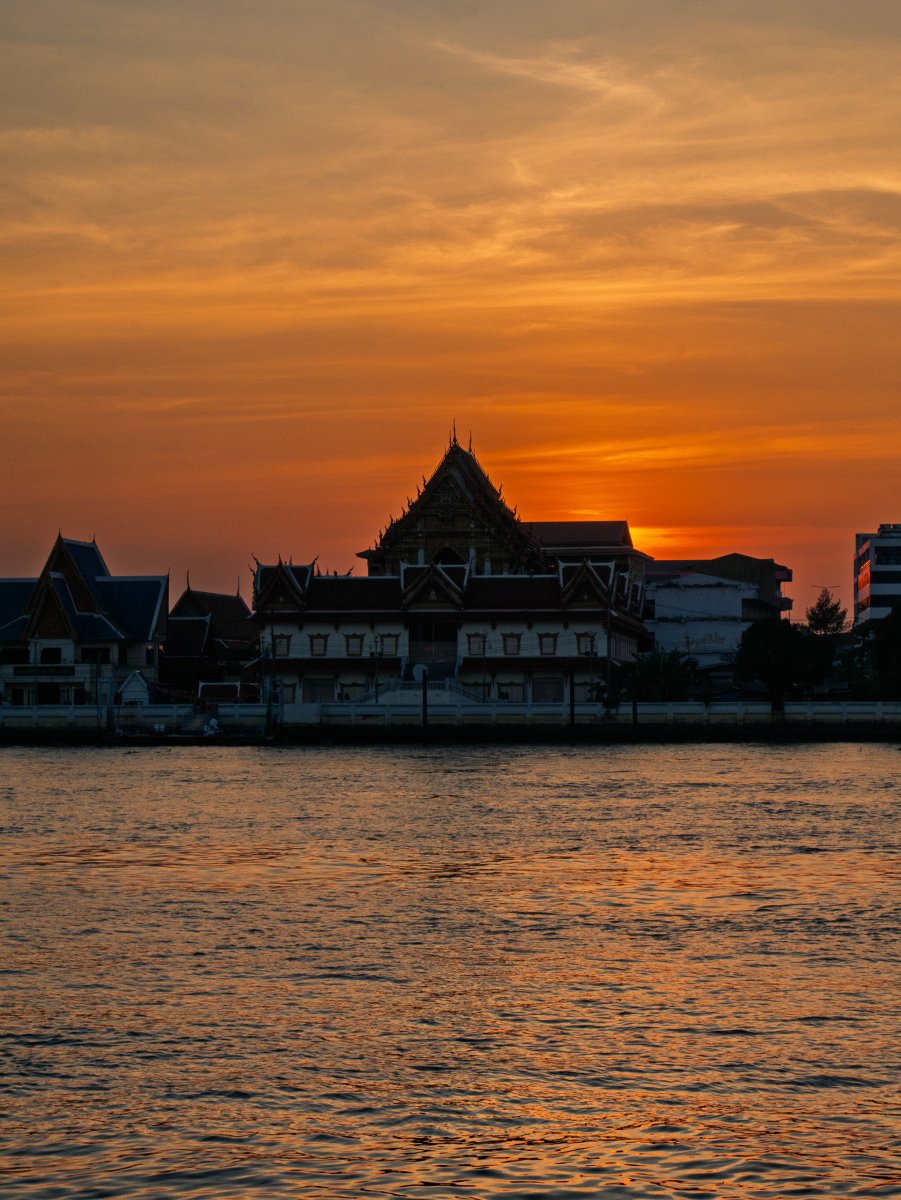
I arrived before sunset and stayed as the atmosphere slowly shifted. During that transition, the streets changed character almost unnoticed. Colors became stronger, reflections appeared where there had been none before, and movement started to feel different.
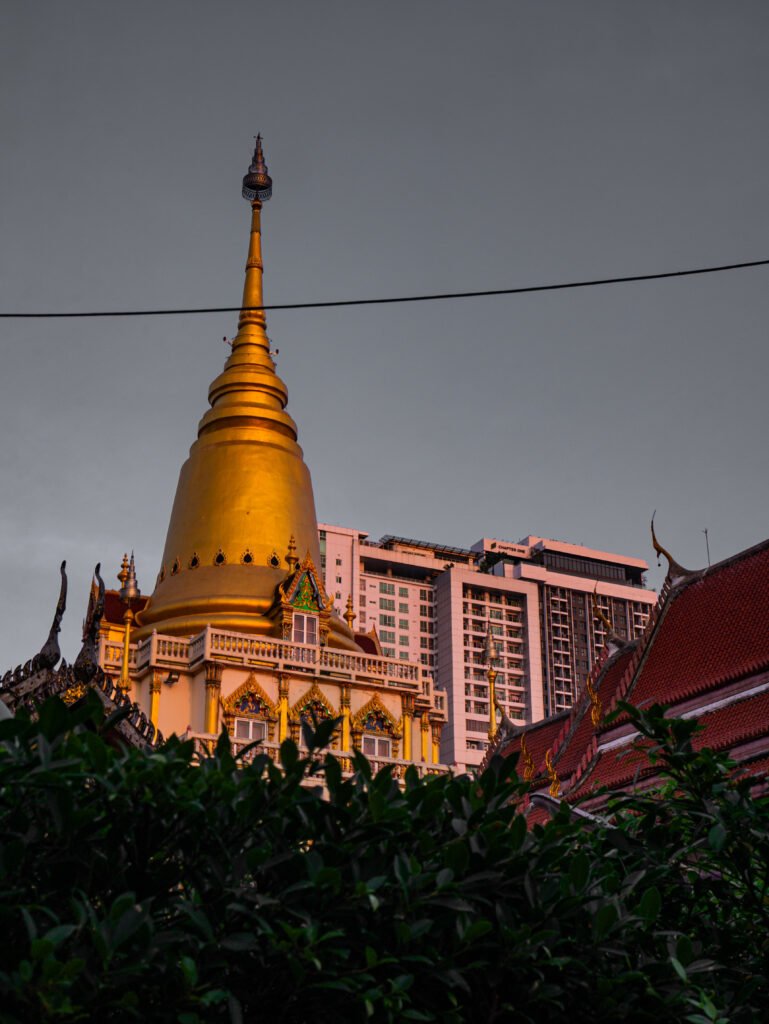
Instead of chasing scenes, I found myself waiting more often — watching how the light shaped the space between people, signs, and buildings.
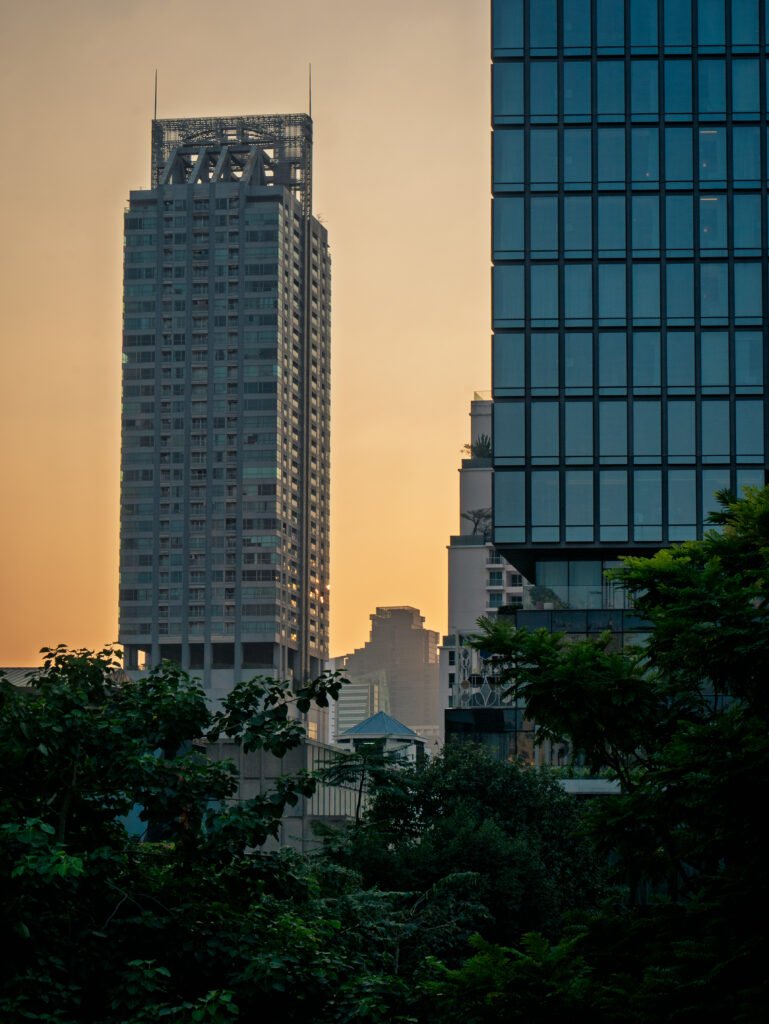
At some point I had to leave before I really felt finished. I was already on my way, but part of me wanted to stay longer — just to keep walking, watching, and trying a few more things with the camera.
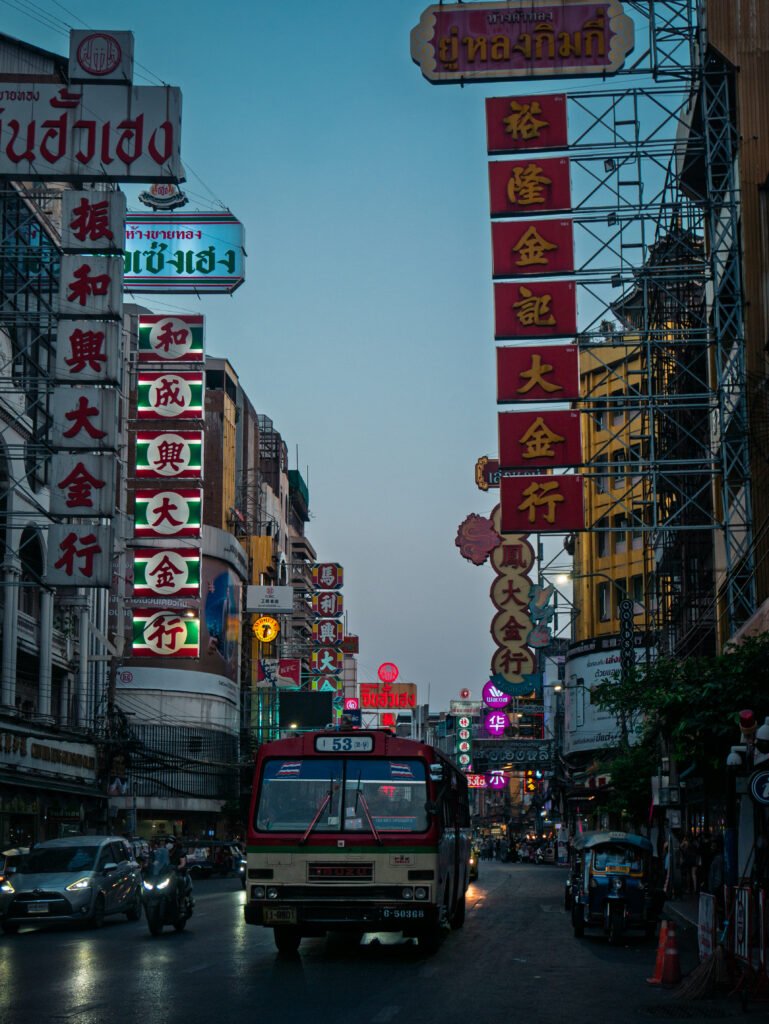
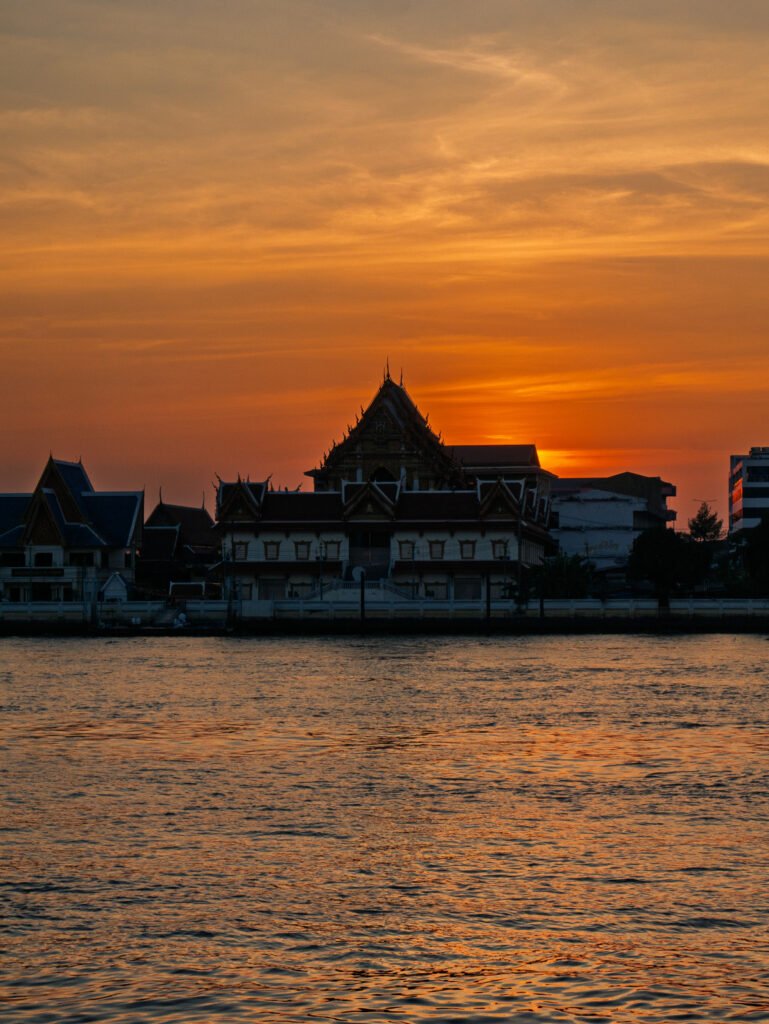
Even though I left feeling satisfied, there was still the sense that there was more to discover. And maybe that’s exactly what makes places like Chinatown stay with you a little longer.
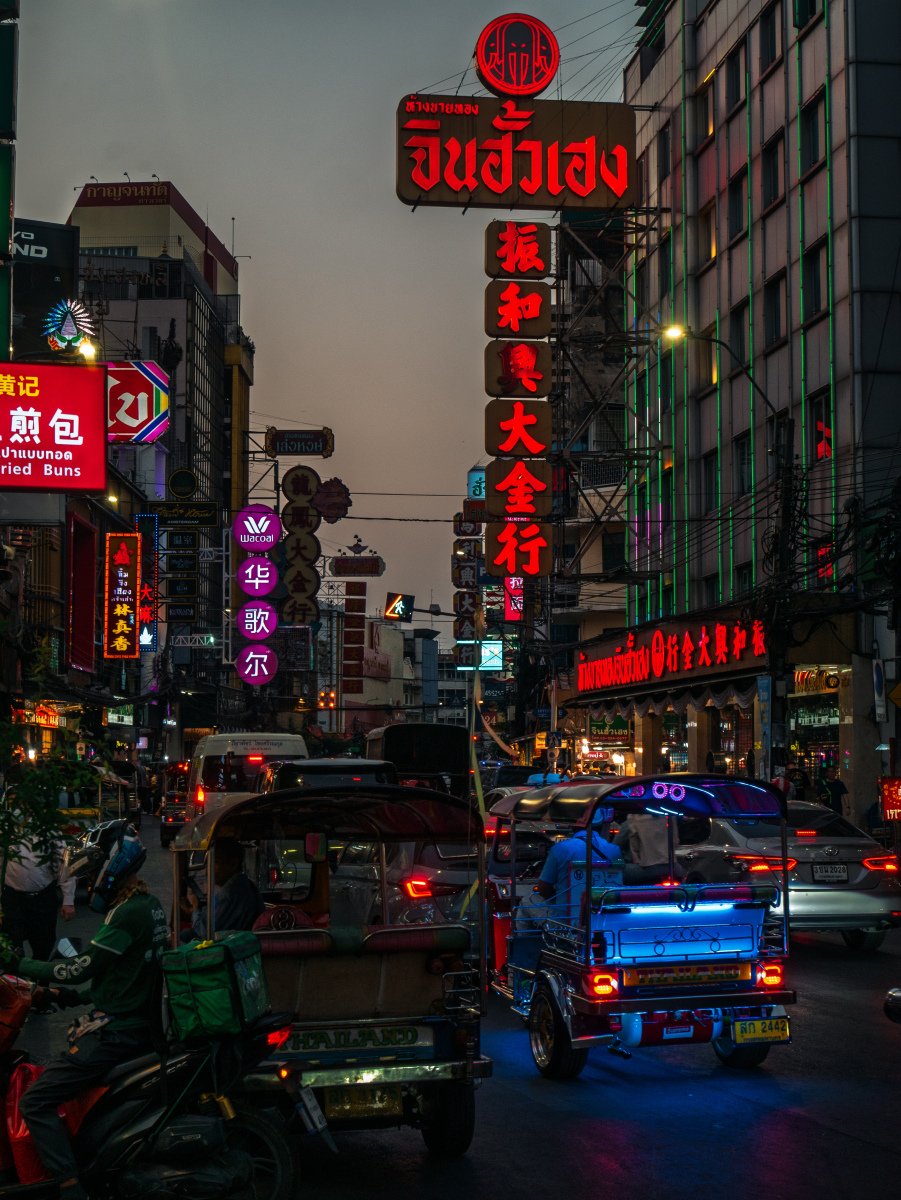
Grid
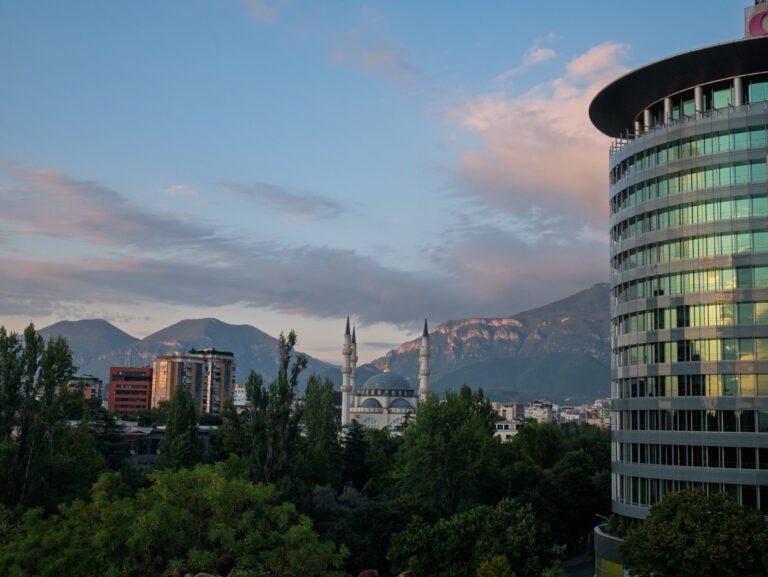
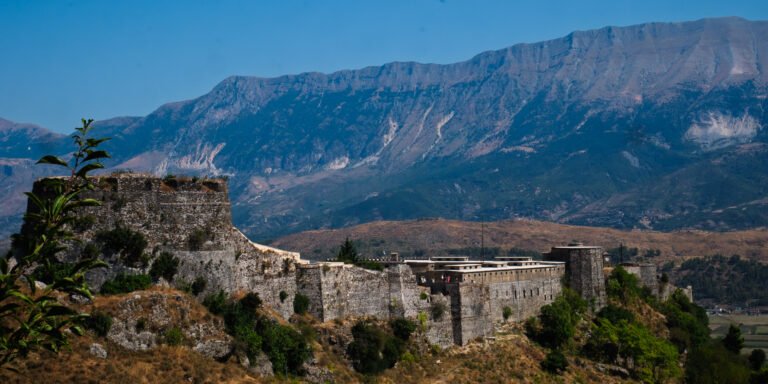

Valbona- Into the Albanian Alps
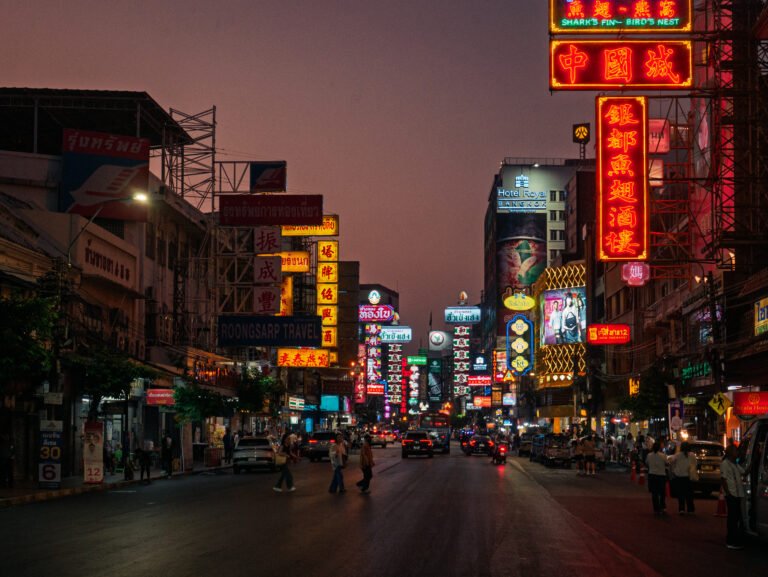
Between Neon and Silence